


January 20, 2026
Smart Scam Challenge

Students at Elliott Hudson College recently took part in the Financial Conduct Authority’s Smart Scam Challenge, an initiative designed to raise awareness among young people about the growing risks of AI-generated financial scams.

Representatives from the Financial Conduct Authority visited the college to challenge students to think critically about modern financial fraud and how it affects vulnerable consumers. Working in teams, students were set the task of identifying a consumer group that may be particularly susceptible to AI-generated scams and developing a targeted awareness campaign to educate and protect them from becoming victims of fraud.
Each team appointed a project manager and explored the potential risks and costs associated with various financial products. Students analysed advertisements for different financial services to determine whether any content could be misleading or harmful to vulnerable audiences. They also examined how artificial intelligence can be used to manipulate people, learning to identify the use of AI within digital content themselves.
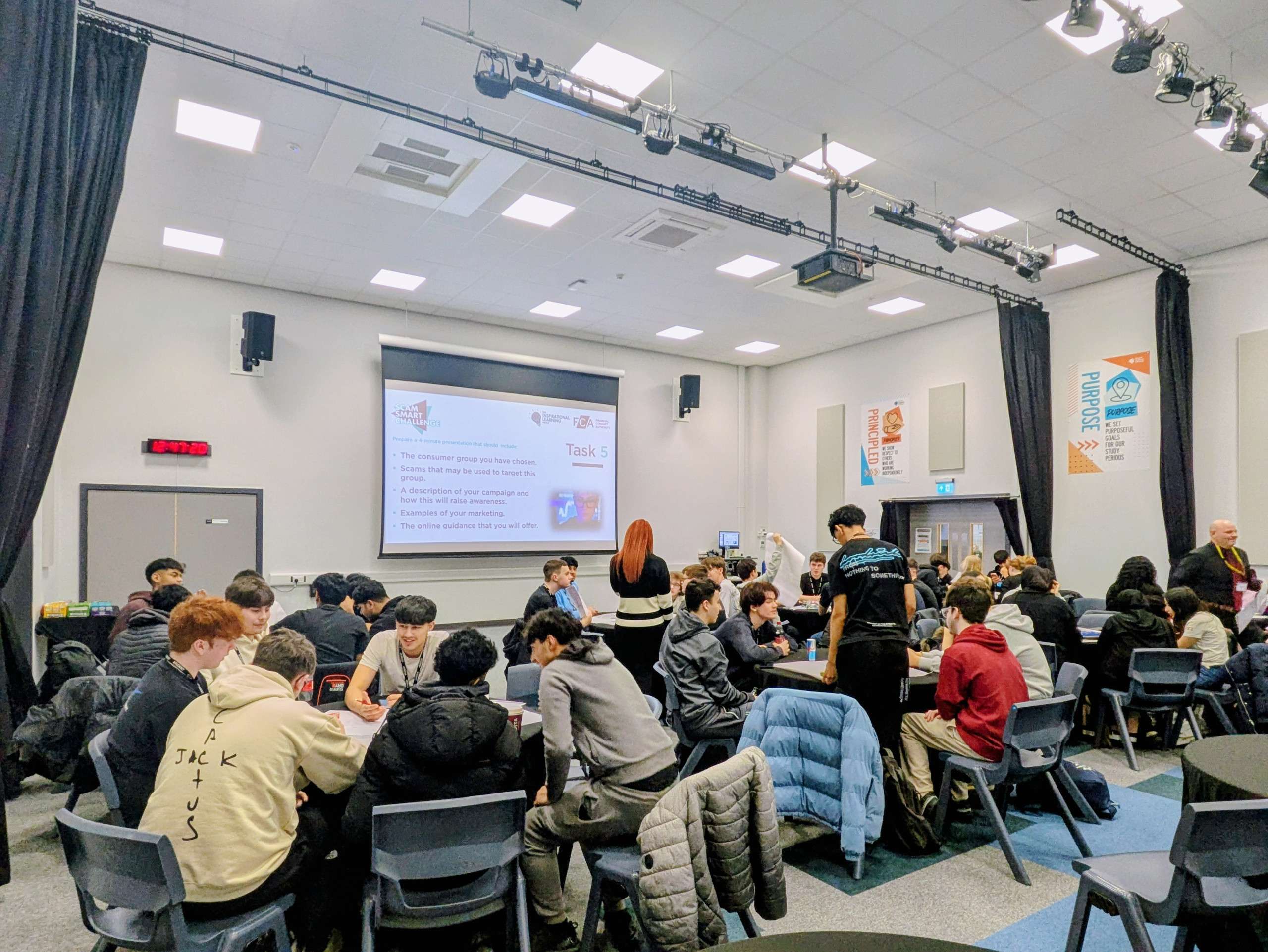
The objective of the challenge was to encourage students to reflect on their own online vulnerability and consider how they can protect themselves from AI-generated scams and misleading content.
Students went on to design their own awareness campaigns, identifying a range of vulnerable audiences including international students, low-income parents, and communities where English is not their first language. Each team designed a campaign poster and presented their ideas to a judging panel.
Judges assessed presentations based on how clearly teams identified their chosen vulnerable group, their understanding of the types of scams those groups may face, the effectiveness of their awareness strategy, and the overall quality of their presentation.
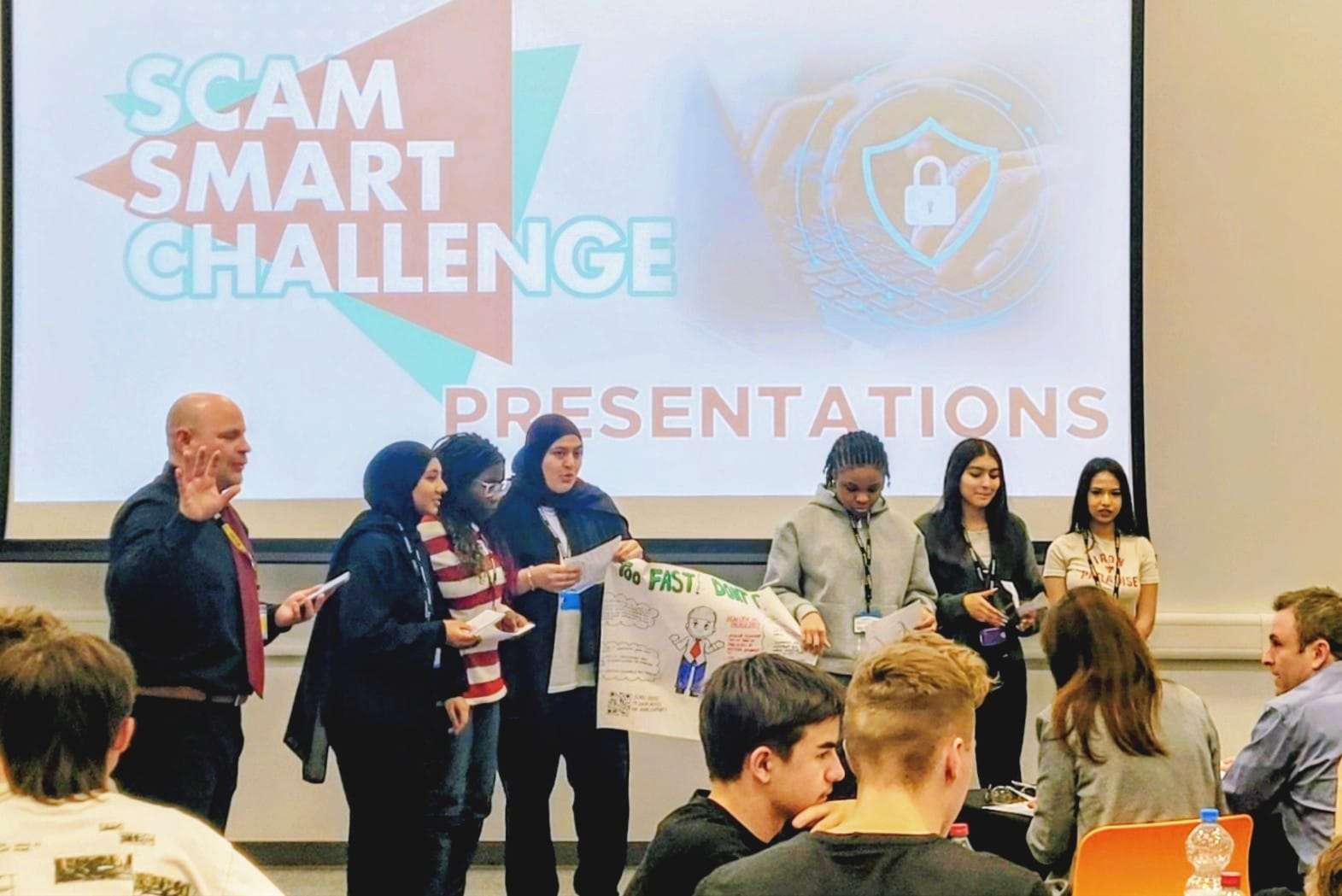
Several teams delivered particularly strong presentations. One team highlighted the risks faced by international students, who may be targeted by AI-generated scams claiming issues with visas or travel documentation. The team demonstrated how language barriers and the high cost of studying in the UK can make international students especially vulnerable to such scams.
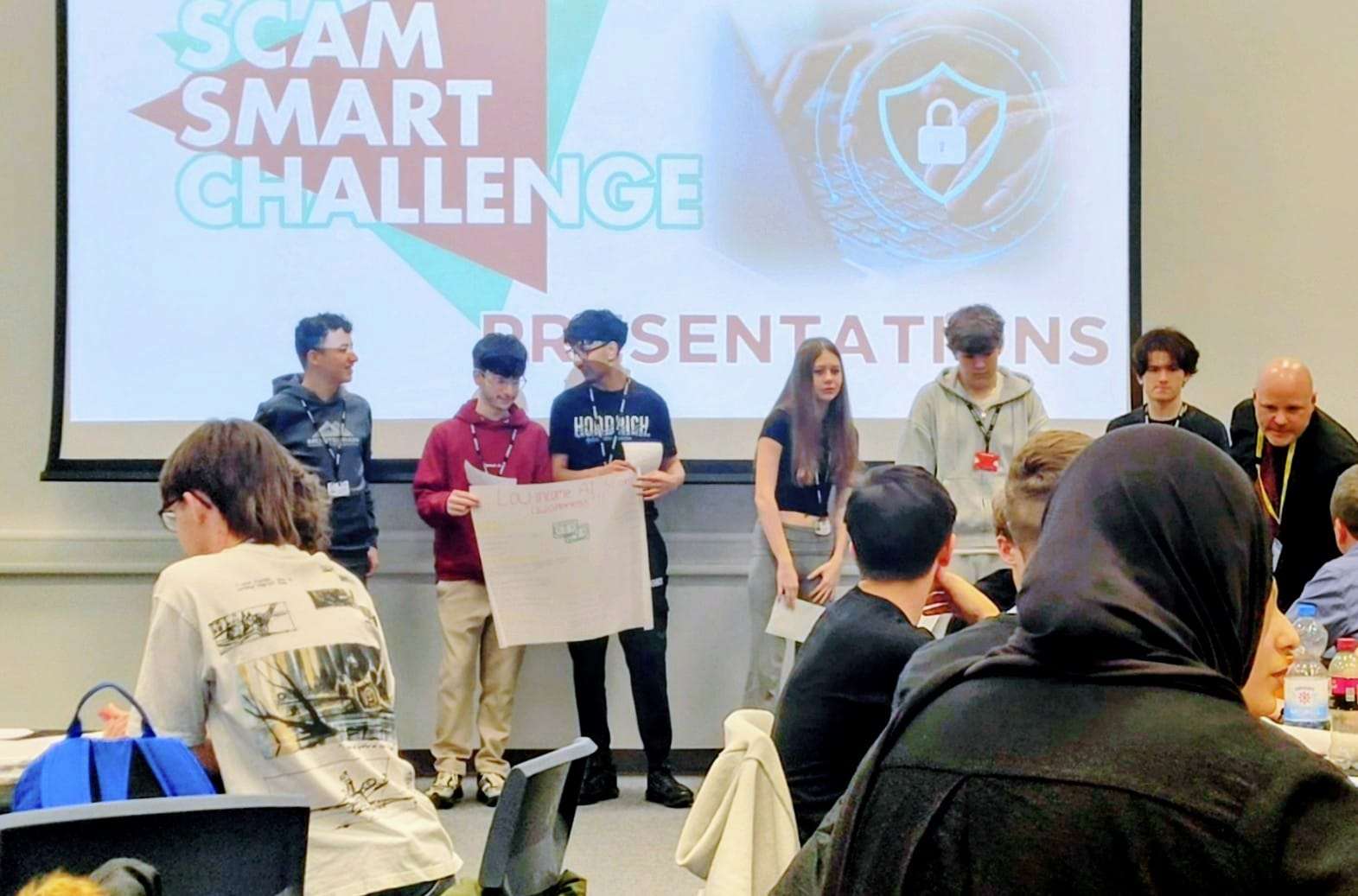
Another team focused on low-income individuals and proposed the development of an app designed to verify emails, advertisements and promotional materials that may be AI-generated scams. The app would create a shared database of known scams, allowing users to check whether offers they encounter are legitimate.
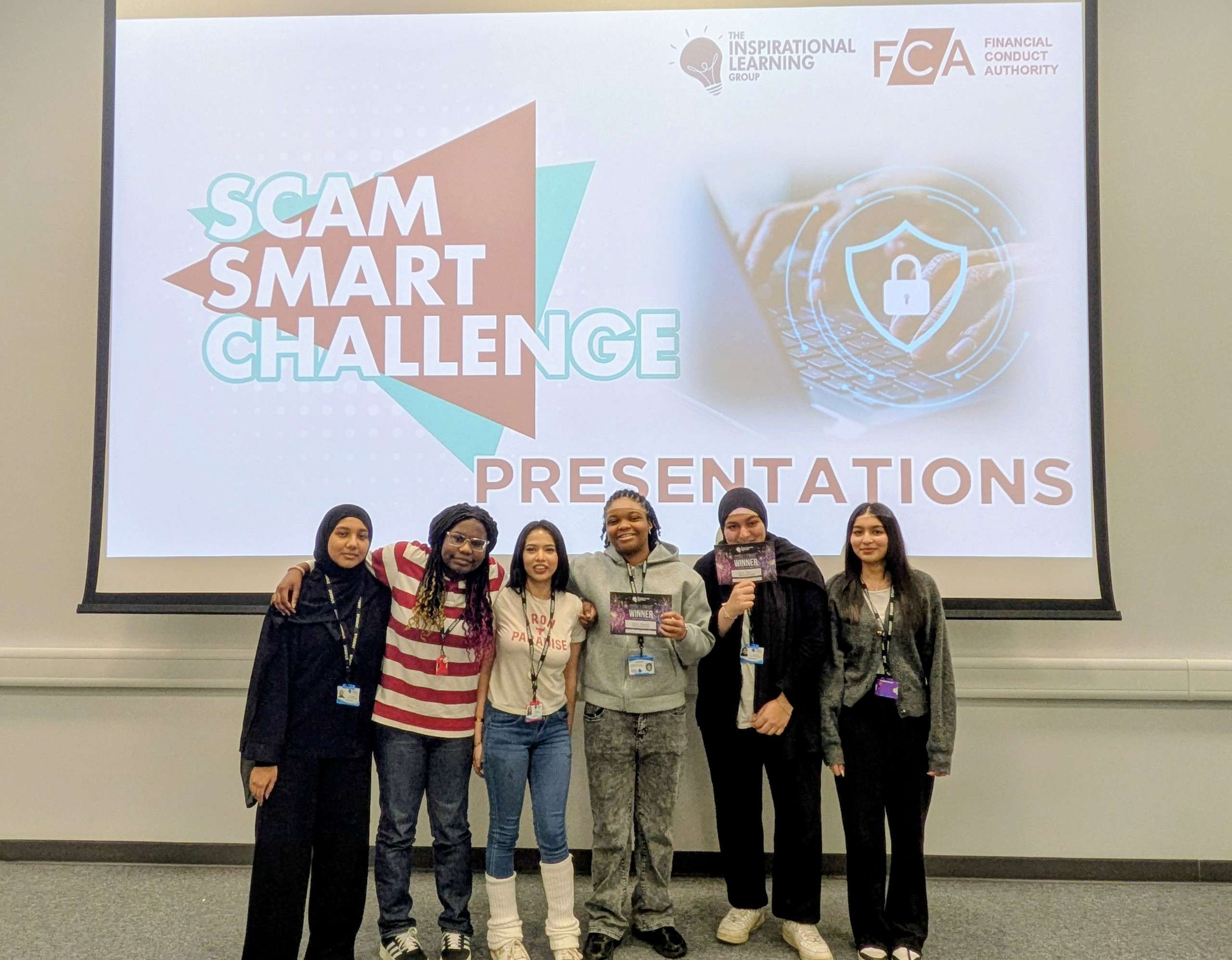
The two winning teams of the challenge were “Too Fast Don’t Pay” and Team GUS.
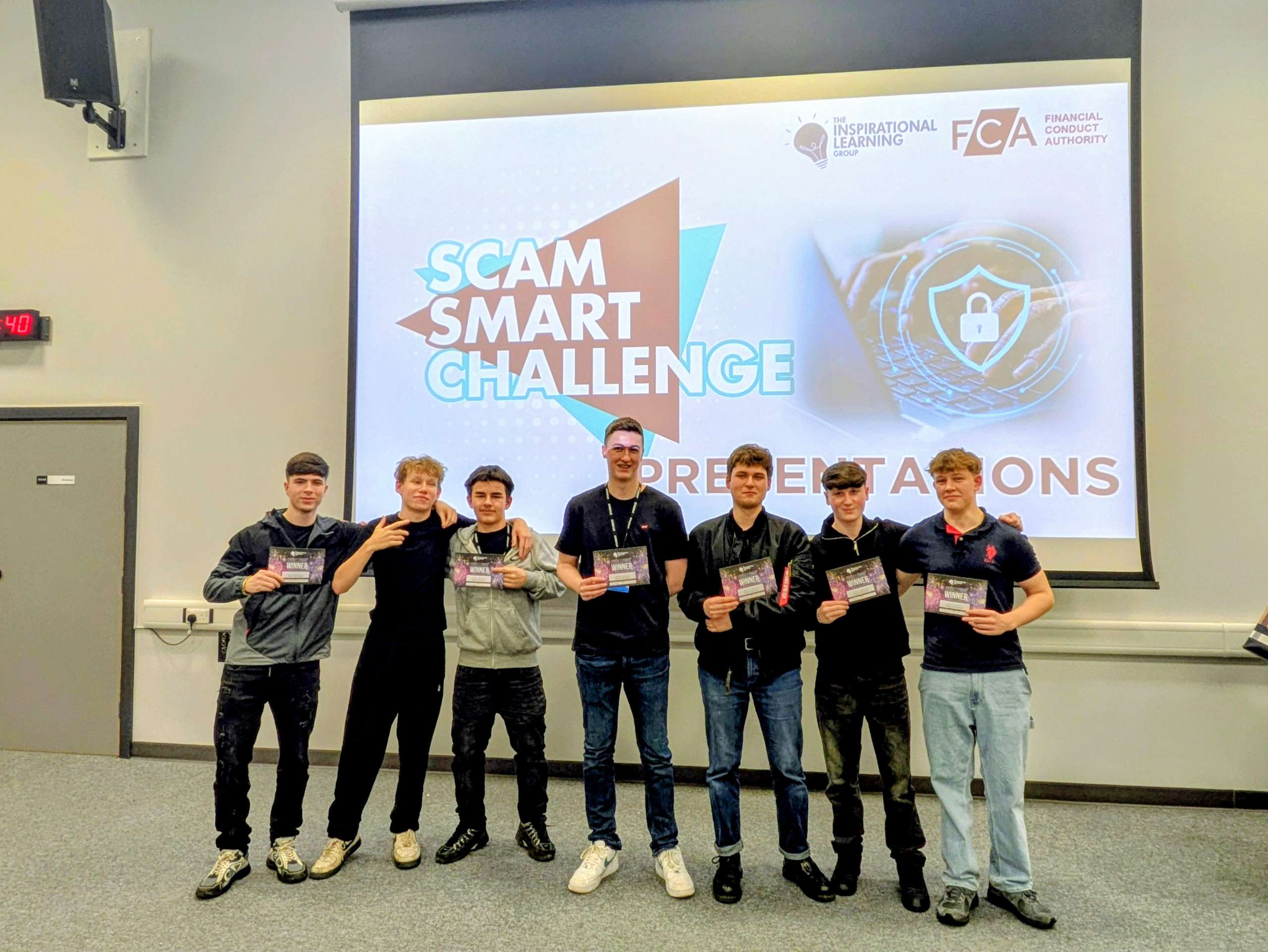
Team GUS explored the rise of online “masculinity” and “business advice” courses that encourage users to pay for content promising success in dating, financial investment or business. The team identified the fraudulent nature of many of these courses, highlighting how they often reinforce negative emotions without providing genuine or useful advice. This was recognised as particularly harmful to young men who may be misled into believing these expensive courses will help them achieve unrealistic goals.
Judges were highly impressed with the thoughtful insight, strong audience awareness and clear messaging demonstrated by both Too Fast Don’t Pay and Team GUS. As a result, the two teams will now travel to London to compete in the National Final, where they will present their campaigns alongside colleges and sixth forms from across the UK.
This challenge provided Elliott Hudson College students with a valuable opportunity to engage with real-world financial issues, develop teamwork and presentation skills, and gain a deeper understanding of how to stay safe in an increasingly digital financial landscape.