June 1, 2026
Ilkey and Leeds dock geography trip – June 2026
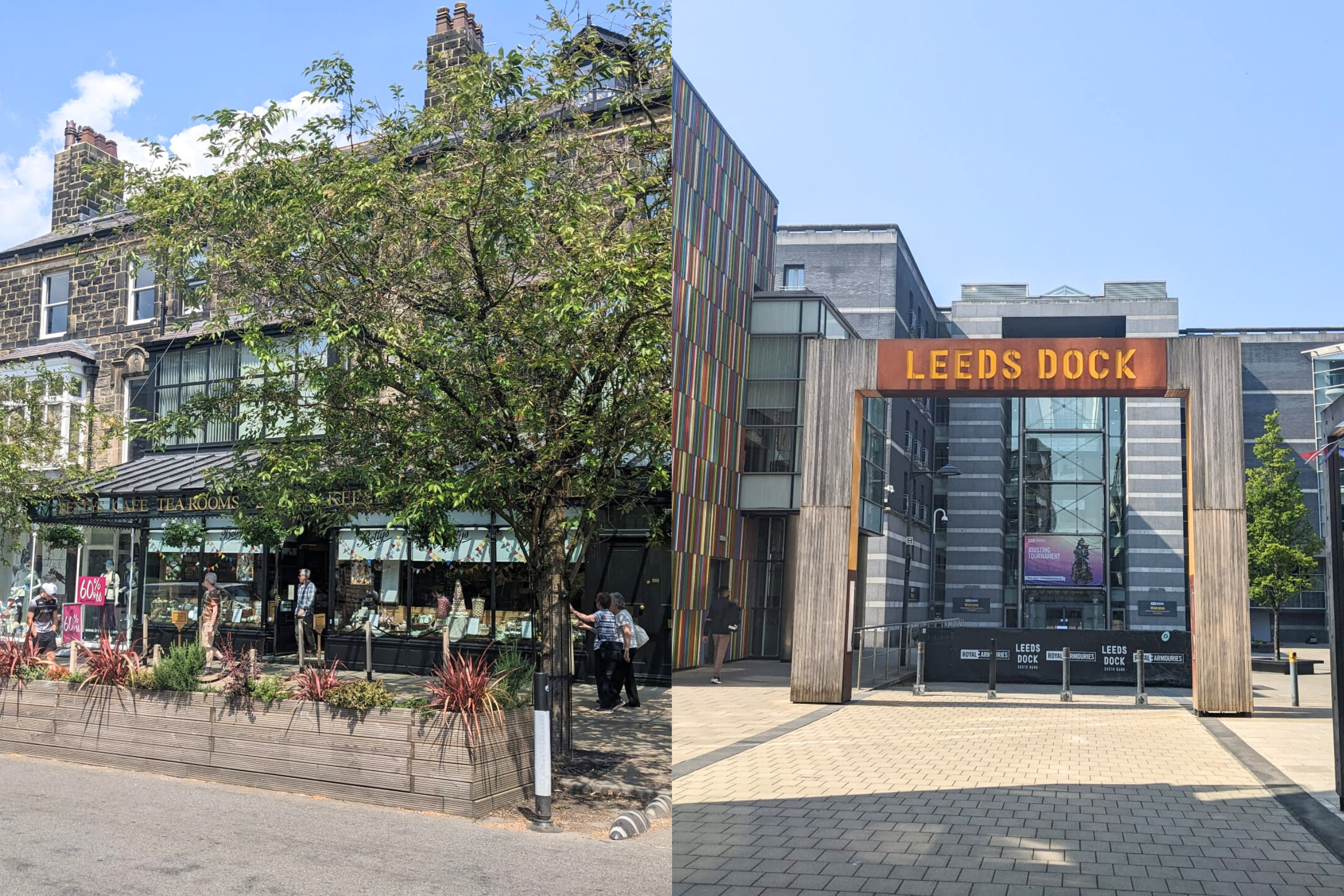
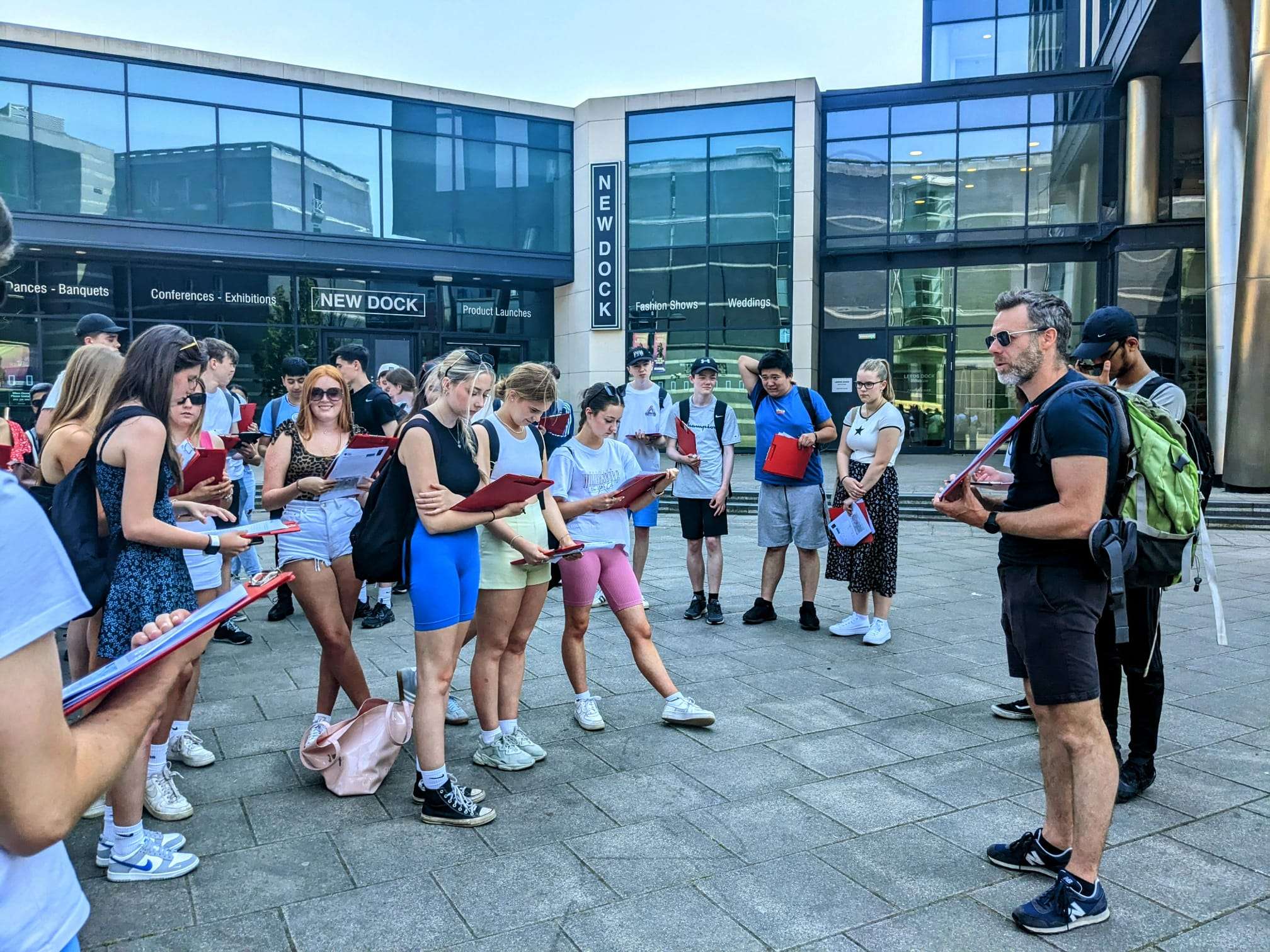
A-Level Geography students recently set off on a field course exploring two very different locations in West Yorkshire — the historic spa town of Ilkley and the newly regenerated Leeds Dock. The trip was designed to deepen their understanding of place identity and change, while giving them vital experience to prepare for the Non-Examined Assessment (NEA), worth 20% of their final grade.
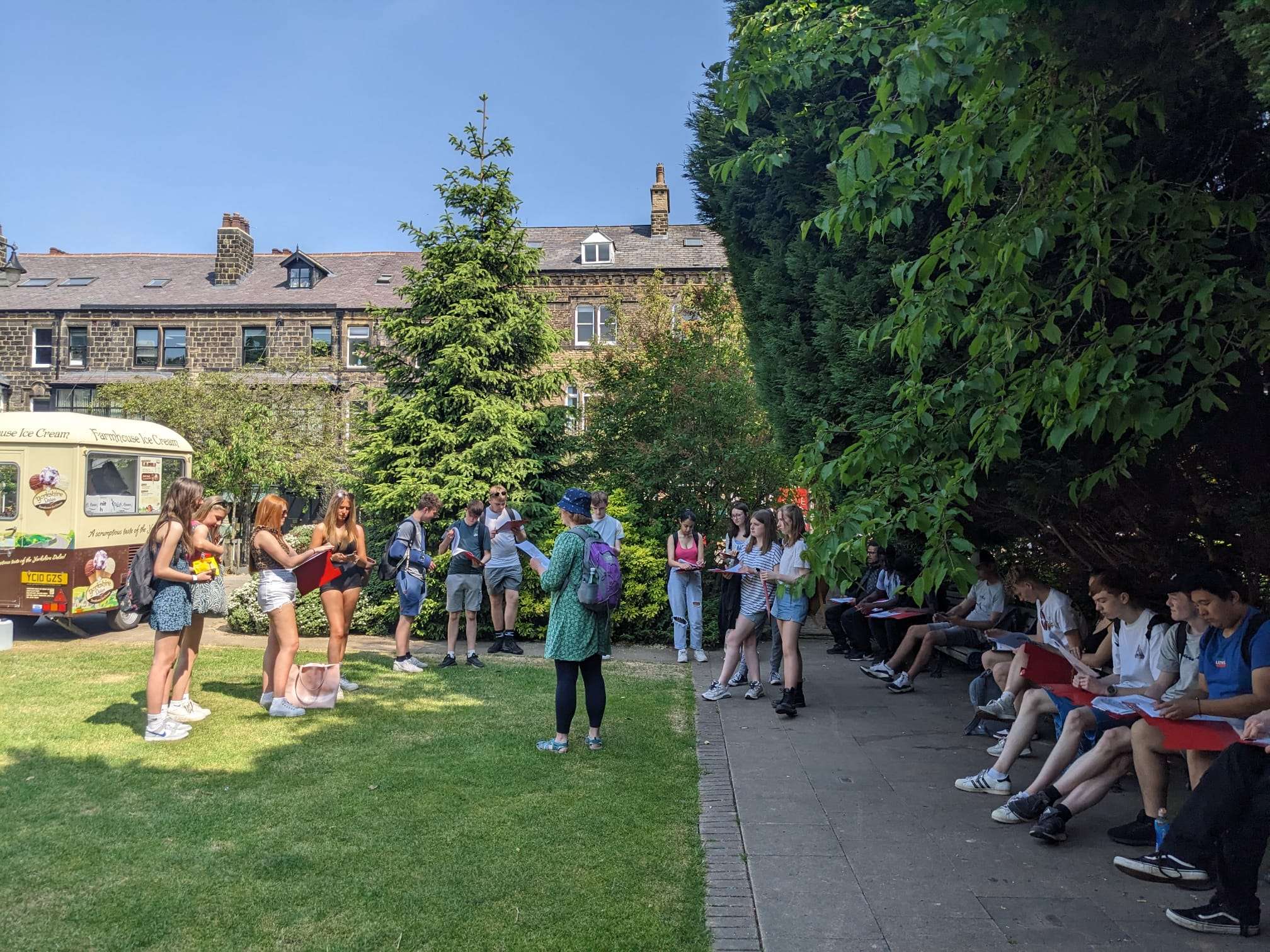
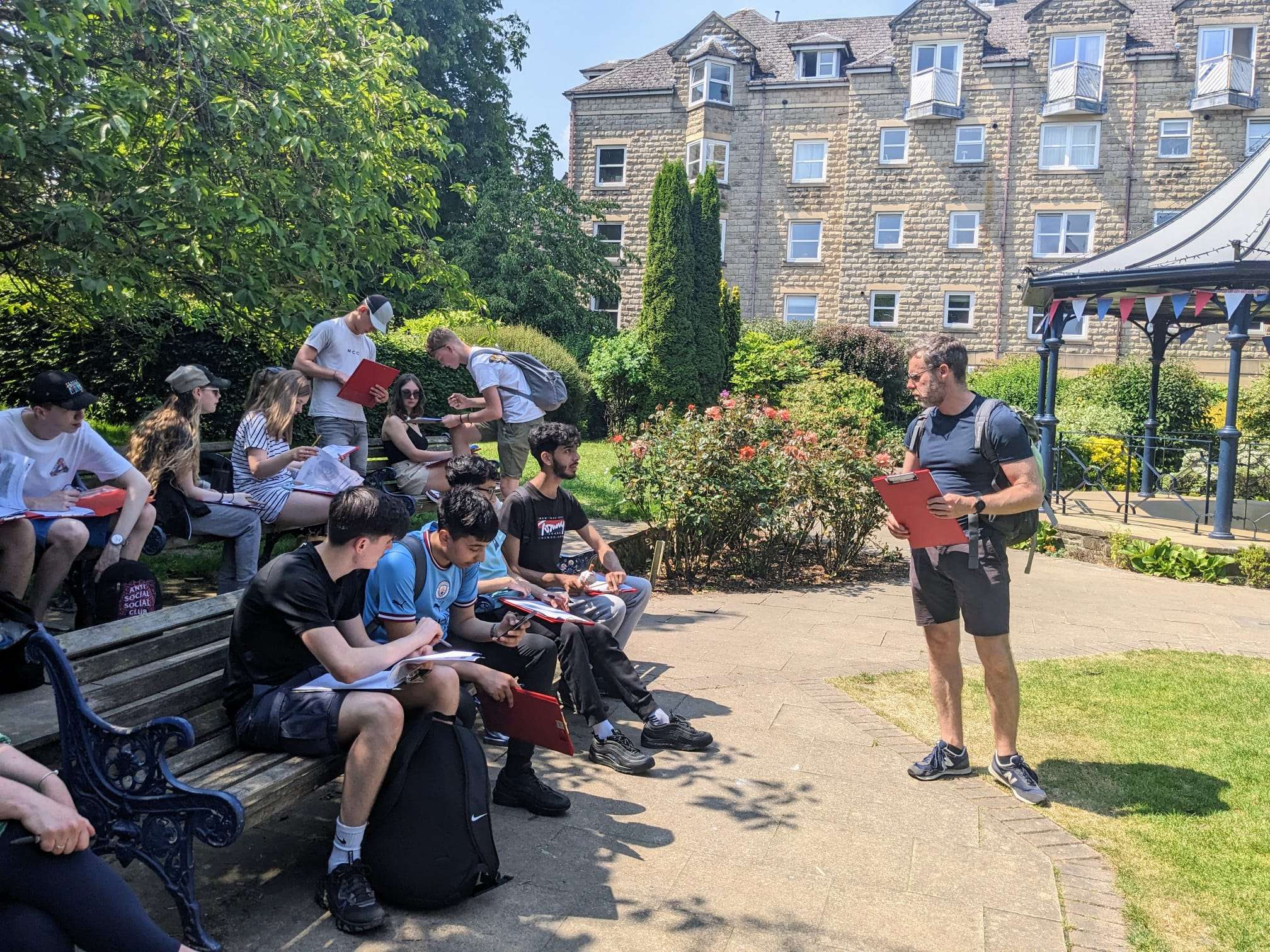
Over the course of the trip, students carried out a wide range of fieldwork activities including building function surveys, field sketches, non-participant observations, Clone Town surveys, photography, and ‘Great Place’ diagrams — all of which are directly linked to their independent investigations for the NEA.
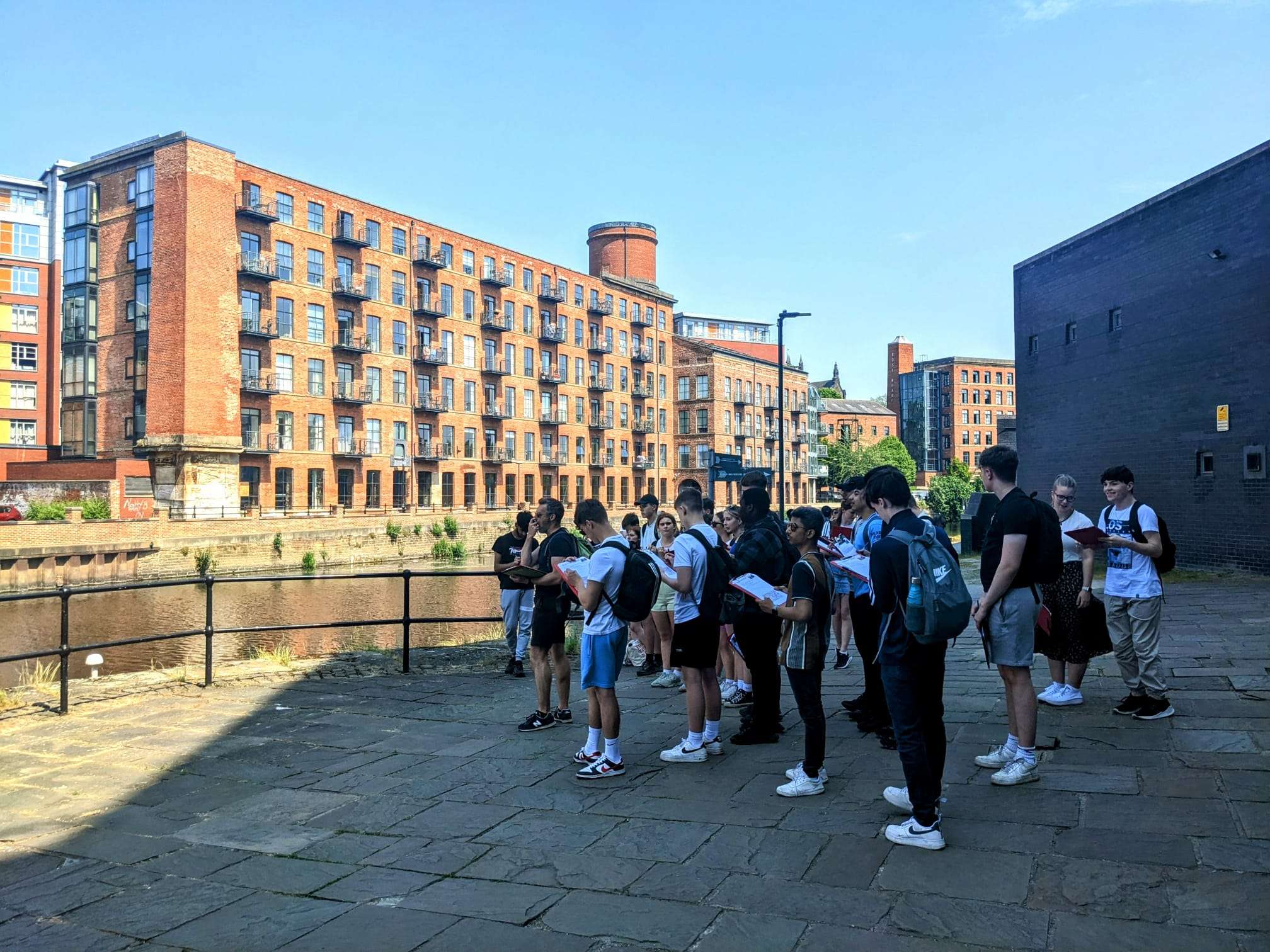
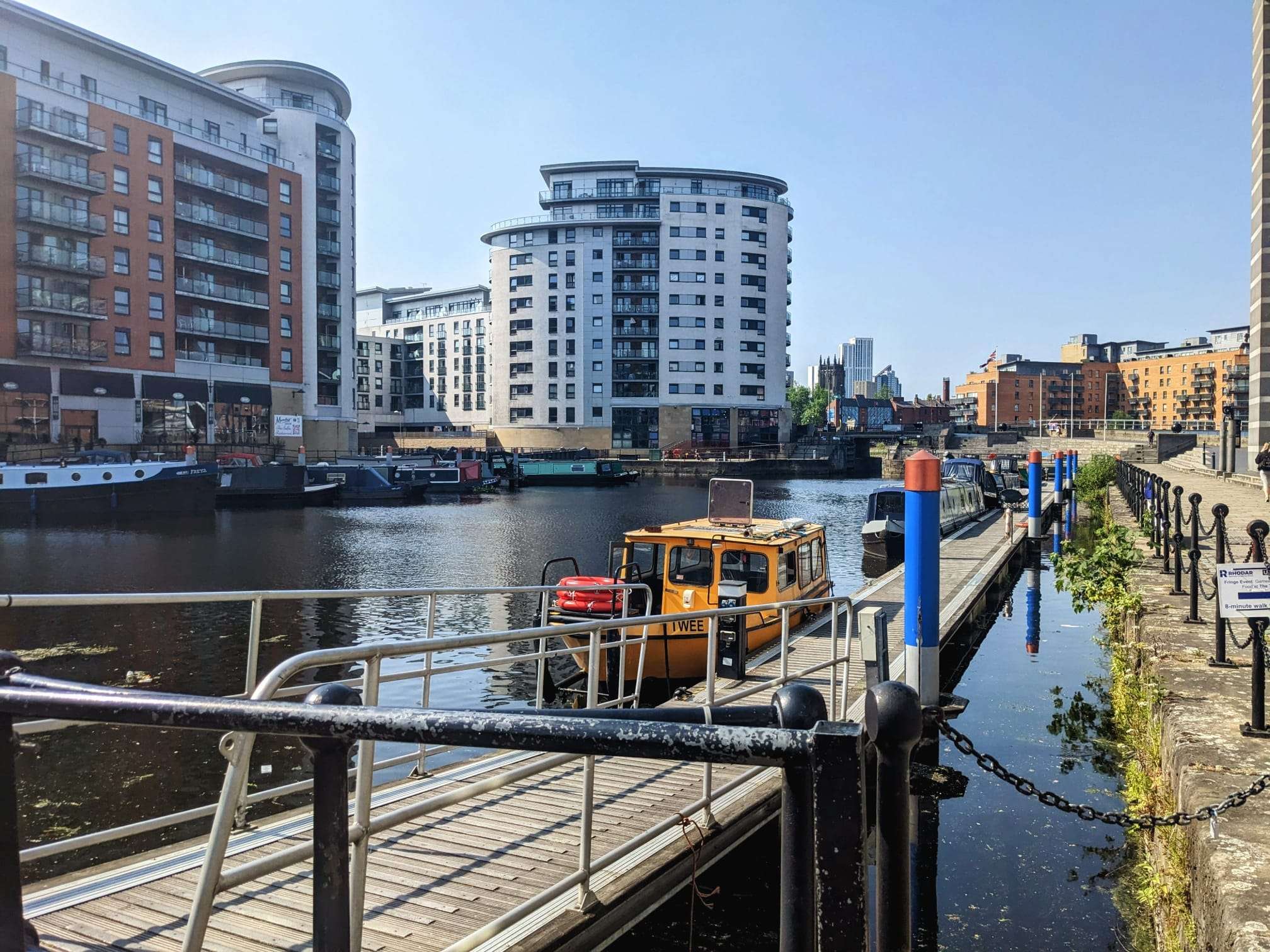
“The contrast between Ilkley and Leeds Dock is perfect for helping students see how places change over time,” said Mr Naylor, Geography Teacher. “Ilkley gives us a great example of continuity, tradition and heritage, while Leeds Dock shows how urban regeneration can totally transform a space.”
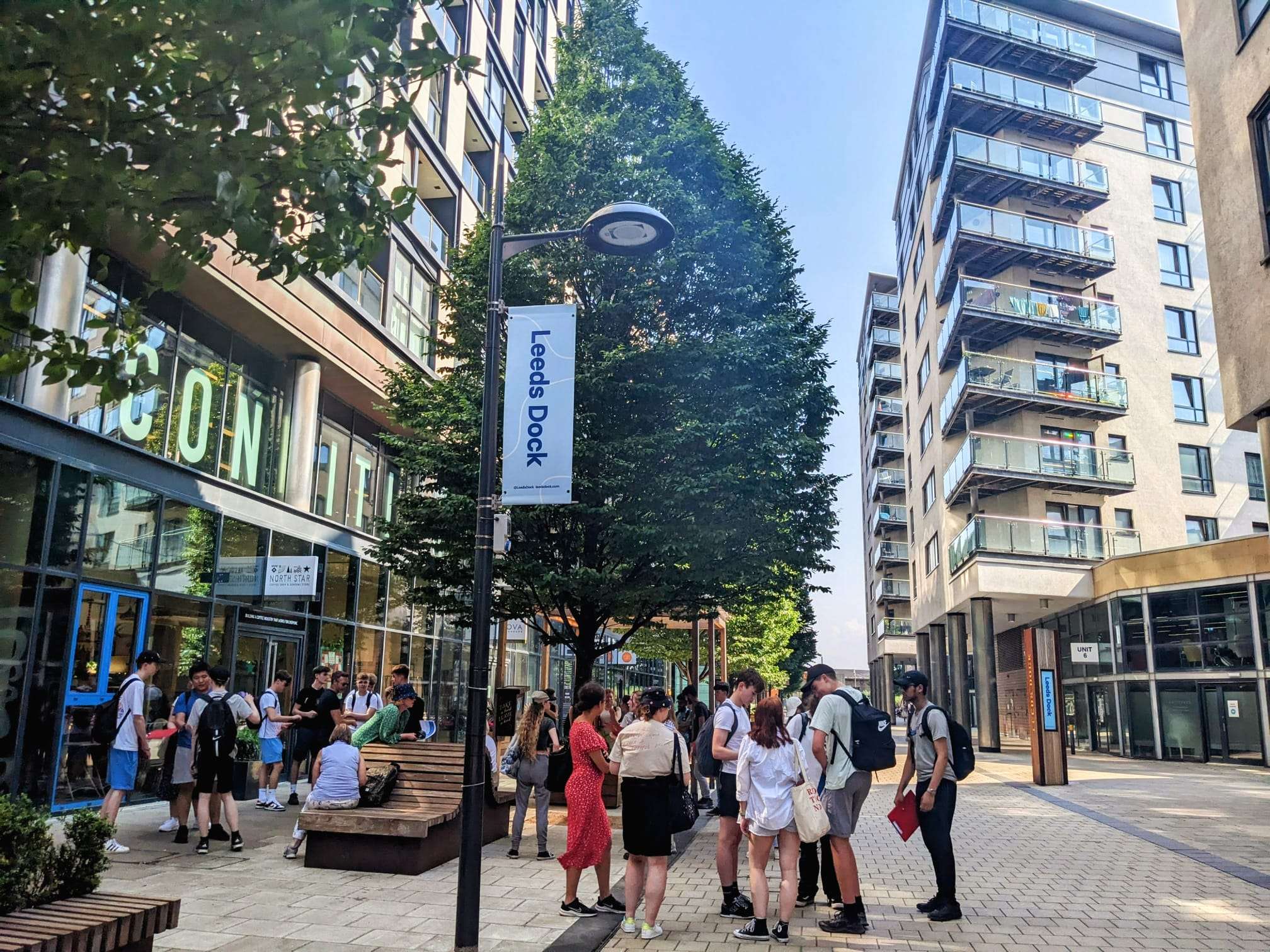
A Level Geography students are required to develop their own research question and hypotheses, plan a sampling strategy, and gather their own data — skills that are being sharpened through this hands-on fieldwork. By engaging directly with these two very different case studies, students are gaining not just academic insight, but real-world experience that helps bring the subject to life.
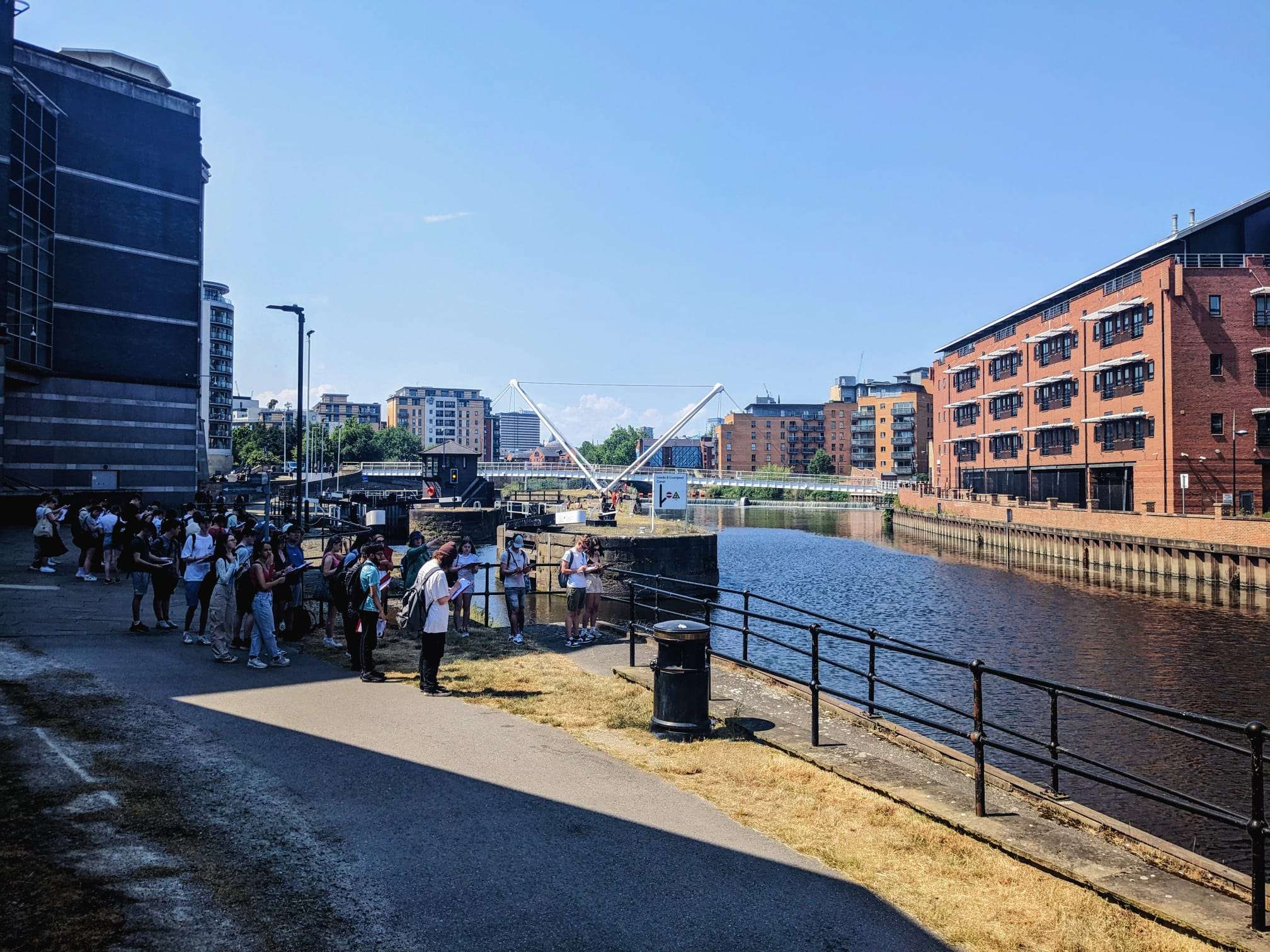
Students are also using this trip to inform their work on the “Changing Places” unit of the A-Level course. Ilkley and Leeds South Bank (which includes Leeds Dock) serve as their two required case studies, giving them first-hand knowledge that will support their written responses in future exams.
With exams on the horizon, the field course has come at just the right time, offering inspiration, confidence and practical skills. It’s also helped foster a sense of independence and ownership over their NEA projects — which could make all the difference when it comes to results.